Financial Services Video Production Company in Singapore
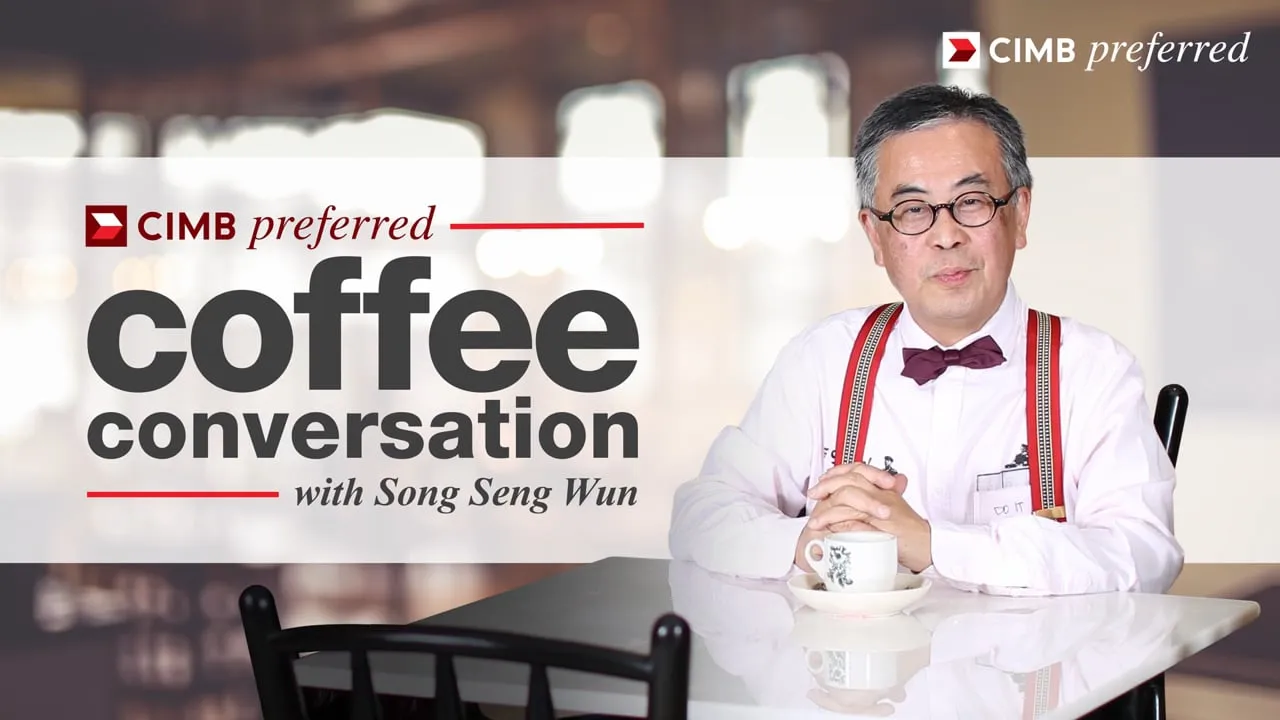
It is designed in from the first draft. Scripts route through your compliance function at draft stage — where a change costs minutes rather than the weeks it costs in a finished edit — and claims are locked before production begins: nothing promising returns, guaranteeing outcomes or comparing performance survives to the storyboard. Filming inside offices, branches and trading environments runs under information-control discipline: screens, documents and customer data are managed in every frame, and staff appearances clear your HR protocols. Review gates carry documented sign-offs throughout, so the approval trail your governance expects builds itself as the project runs. The result is not slower production; it is production that never has to be done twice.
What does a financial services video production company deliver?
- Compliance and conduct training — anti-money-laundering awareness, data protection, fair dealing and conduct standards as scenario-based video, delivered identically to every employee and evidenced for audit.
- Product and service explainers — accounts, insurance, investment services and digital features made genuinely understandable, which is both the conversion play and the mis-selling defence.
- Brand and corporate films — heritage, culture and community content built on evidence rather than assertion, for audiences trained to discount claims.
- Executive and investor communications — results messages, strategy updates and leadership commentary produced to broadcast standard.
- Financial education content — scam awareness and financial literacy programmes, the trust-building layer institutions increasingly treat as core communication.
- Fintech and animation work — product mechanics and abstract concepts rendered through fintech explainer video and motion graphics where cameras cannot help.
How does regulatory awareness shape the production process?
Why do financial institutions rank compliance training as the top video use case?
Because the obligation is universal, annual and audited — and video is the only delivery mechanism that makes it provably consistent. Every employee receives the identical scenario, in whatever language serves them, and the SCORM layer built through video-first e-learning development records completion, comprehension and refresher cycles automatically. Scenario-based formats do the pedagogical work slide decks cannot: conduct rules demonstrated in realistic situations are retained, recognised and applied. Institutions typically start here because the budget already exists, the audience is captive and the improvement over legacy training is measurable within one annual cycle — the wider set of banking use cases is covered in our guide to video production for the banking and finance industry.
What should institutions look for when choosing a production partner?
Ask process questions before creative ones. How do you schedule compliance review cycles — and what happens when legal wants a change at final cut? What is your protocol for filming where customer data is visible? How do you version approved content across markets and languages without re-opening approvals? Who on your team has produced under MAS-adjacent constraints before? The showreel proves they can shoot; the answers prove your project will survive contact with your governance. Marketing-side strategy — channels, formats, measurement — has its own discipline, covered in video marketing strategies for banks, and the full sector scope sits on our banking and financial services video production page.
How does a financial video programme typically grow?
From obligation to opportunity. The first engagement is usually the highest-volume compliance module, because the budget exists and the improvement is measurable; product explainers follow where conversion friction or support load is highest; then the brand, education and executive layers build on a footage and template library that makes each successive asset cheaper than the last. Institutions that plan this arc from the first project — one visual standard, reusable components, a versioning pipeline — end up with a content system rather than a shelf of one-off films.
What does production inside a financial institution look like day to day?
Quiet and controlled. Filming windows respect business hours and client confidentiality; setups are compact and pre-agreed so trading floors and branches keep working around them; and interview subjects are prepared with question areas rather than scripts, because executives and specialists read as credible only when speaking naturally. Most institutional shoots complete in one to two days per location, with the majority of project time living in scripting and review — exactly where a regulated project’s time should live.
Tell us the brief, the audience and the deadline — we handle the rest.
A dedicated producer from brief to delivery. We reply within one business day.